
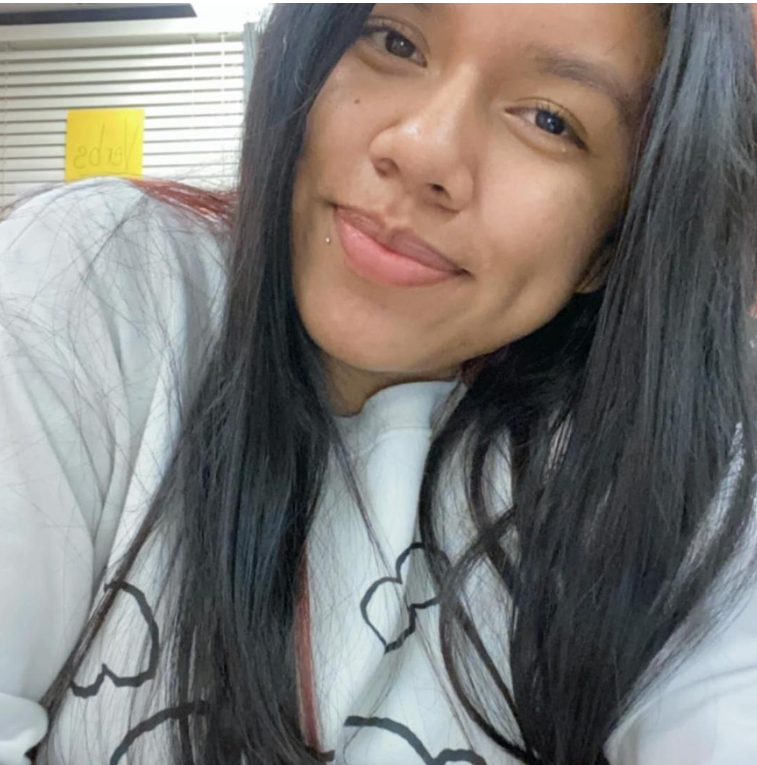
Interview with Pat Barr-Harrison Award Winner: Kimberly Angelina Martinez Morales
Board member and Friend of the Museum Greg Nedved interviewed the Award recipient from Laurel High School, Kimberly Angelina Martinez Morales. Pat Barr Harrison was a legendary NML figure, being one of its original founders. Read about her here She…
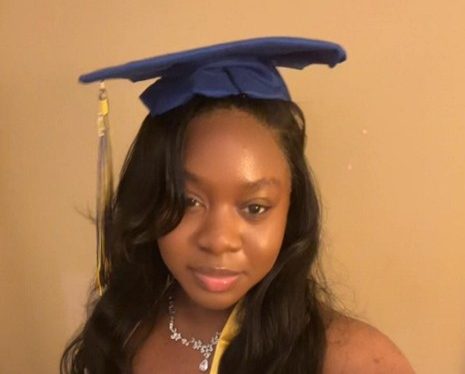
Interview with Dr. Pat Barr-Harrison Scholarship Awardee
On January 1, 2024, Dr. Patricia Barr-Harrison, a Museum co-founder, passed away. The National Museum of Language started a scholarship fund to honor Dr. Barr-Harrison’s work in promoting language learning. In May 2025, Cindy Moussangui became the first winner of…
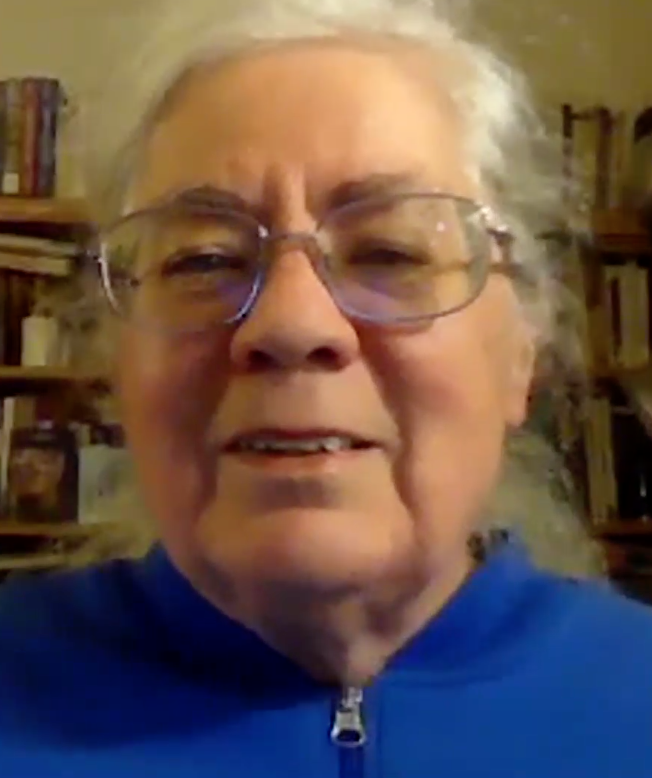
Interview with Linda Thompson
Bridging Ancient Languages and Art: An Interview with Linda Mitchell Thompson We’re delighted to sit down with Linda Mitchell Thompson, Chief Artist-in-Residence at the National Museum of Language, to explore her inspiring blend of ancient languages and art. Through her…
Interview with Gregory J. Nedved
Interview with Gregory J. Nedved: Exploring Language in Leadership and Presidential Language Skills In this exclusive interview, Gregory J. Nedved, a highly experienced military linguist, historian, and author, provides in-depth insights into his extensive career in cryptology, national security, and…
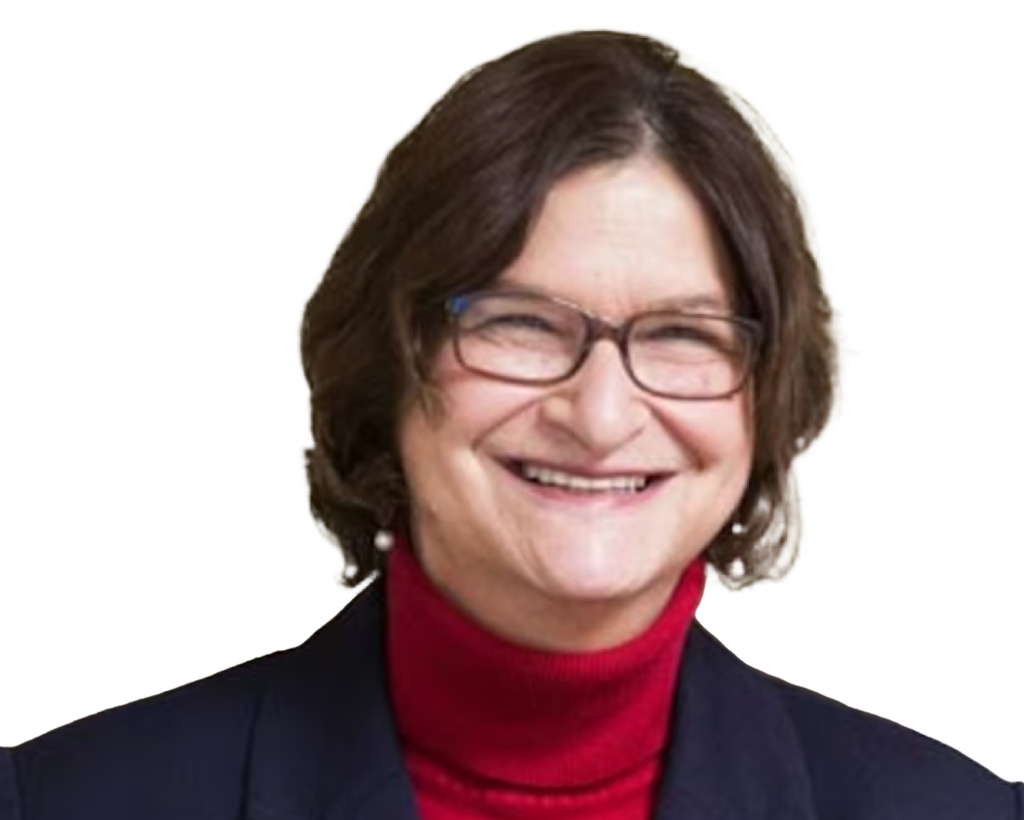
Interview with Dr. Laura Murray
An In-Depth Interview with Dr. Laura Murray: From Shaping Government Language Programs to Leading Museum Initiatives In this interview, we speak with Dr. Laura Murray, a leading expert in language education and cultural heritage preservation. Her experience showcases a deep…
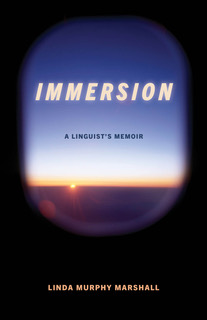
Interview with Linda Murphy Marshall
This interview is with former Trustee of the Museum Linda Murphy Marshall, who has authored two memoirs, the most recent of which focuses on her career as a linguist. Laura Murray conducted the interview. You can also listen to a…
Interview with Pat Barr-Harrison Award Winner: Kimberly Angelina Martinez Morales
Board member and Friend of the Museum Greg Nedved interviewed the Award recipient from Laurel High School, Kimberly Angelina Martinez Morales. Pat Barr Harrison was a legendary NML figure, being one of its original founders. Read about her here She…
Interview with Dr. Pat Barr-Harrison Scholarship Awardee
On January 1, 2024, Dr. Patricia Barr-Harrison, a Museum co-founder, passed away. The National Museum of Language started a scholarship fund to honor Dr. Barr-Harrison’s work in promoting language learning. In May 2025, Cindy Moussangui became the first winner of…
Interview with Linda Thompson
Bridging Ancient Languages and Art: An Interview with Linda Mitchell Thompson We’re delighted to sit down with Linda Mitchell Thompson, Chief Artist-in-Residence at the National Museum of Language, to explore her inspiring blend of ancient languages and art. Through her…
Interview with Gregory J. Nedved
Interview with Gregory J. Nedved: Exploring Language in Leadership and Presidential Language Skills In this exclusive interview, Gregory J. Nedved, a highly experienced military linguist, historian, and author, provides in-depth insights into his extensive career in cryptology, national security, and…
Interview with Dr. Laura Murray
An In-Depth Interview with Dr. Laura Murray: From Shaping Government Language Programs to Leading Museum Initiatives In this interview, we speak with Dr. Laura Murray, a leading expert in language education and cultural heritage preservation. Her experience showcases a deep…
Interview with Linda Murphy Marshall
This interview is with former Trustee of the Museum Linda Murphy Marshall, who has authored two memoirs, the most recent of which focuses on her career as a linguist. Laura Murray conducted the interview. You can also listen to a…

Interview with Maarit Jaakkola, Ph.D.
Interview conducted by William Zhang 1. Can you tell me about your language and education background? I’m originally a journalism researcher, with a doctoral degree from Journalism Studies from Tampere University in Finland. However, as a university student, I took…
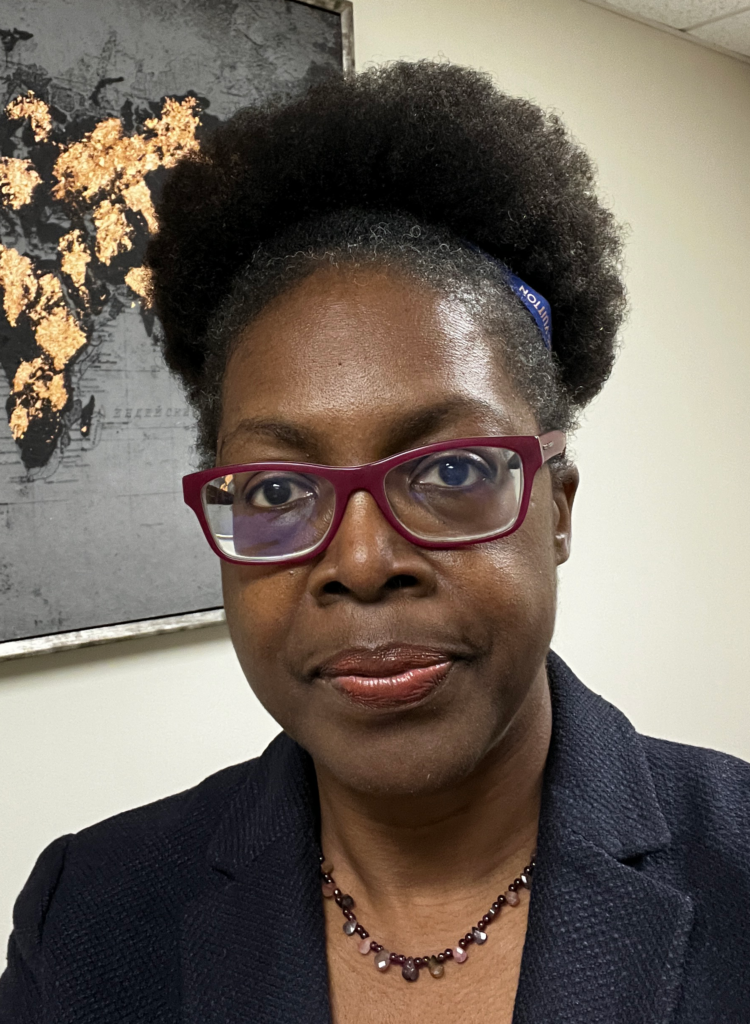
Interview with Toni Stillman, Founder of Seedtime Multilingual
Interview conducted by Greg Nedved How did you get involved in Seedtime Multilingual? I moved from Nashville to the Gulf coast of Mississippi, following my love interest. After we married, my husband and I agreed to move forward with my long-term…

Interview with Brandon Locke
Greg Nedved interviews Brandon Locke, Director of World Languages and Immersion Programs for the Anchorage School District. https://youtu.be/bMqvvAEwxa8 Locke has also written about the Alaska Native History Curriculum. See the article here. The text below is automatically generated from the…